
 Elisha Danine, Nutritionist for the May 28 Day Weight Loss Challenge shares some information on the types of healthy foods that help to boost our energy:
There are several nutrients in food that provide us with energy. The most prevalent being iron and B vitamins.
When we lack iron in the diet, we cannot make enough red blood cells. Without sufficient healthy red blood cells, our bodies can’t get enough oxygen. If we’re not getting sufficient oxygen in the body, we can become fatigued.
There are two different types of iron we receive from our diets; plant based iron called non-haem iron and animal based iron called haem iron.
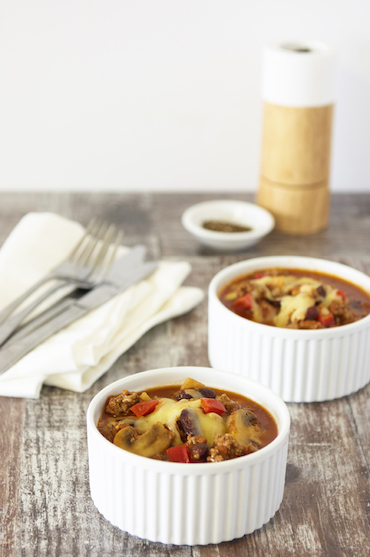 Non-haem (plant based) foods that are high in iron include:
- Tofu (1/2 cup): 6.6 mg iron
- Spirulina (1 tsp): 5 mg iron
- Pumpkin seeds (30g): 4.2 mg iron
- Quinoa (120g): 4 mg iron
- Tomato paste (120g): 3.9 mg iron
- White beans (1/2 cup) 3.9 mg iron
- Dried apricots (1 cup): 3.5 mg iron
- Cooked spinach (1/2 cup): 3.2 mg iron
- Prune juice (240ml): 3 mg iron
- Lentils (120g): 3 mg iron
- Peas (1 cup): 2.1 mg iron
- Liquorice strip (45cm), 10mg iron\
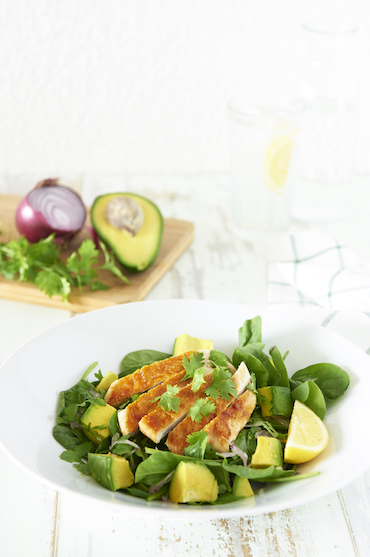 Haem (animal based) foods that are high in iron include:
- Oysters (12): 7mg iron
- Steak (150g): 5.5mg iron
- Lamb fillet (160g): 5.5mg iron
- 20 small mussels: 15mg iron
- 2 large eggs: 2mg iron
The B vitamins include thiamin, riboflavin, niacin, folate (also called folic acid), vitamin B6, vitamin B12, biotin and pantothenic acid. The B vitamins work collectively and individually in every cell to perform many different jobs, including helping the body release the energy it gets from carbohydrates, proteins and fats.
 Foods high in B vitamins include:
- Pork
- Dark green leafy vegetables
- Fortified whole-grain cereals and baked goods
- Wheat germ
- Enriched rice
- Green peas
- Lentils
- Nuts such as almonds and pecans
Eating B vitamins daily is important for energy, as our body does not readily store these vitamins for later use.
Elisha Danine, Nutritionist

